Our work
Ending period poverty takes more than products. Our four program areas work together: reusable period care ends the recurring cost of disposables, education makes it safe and effective, clean water makes it possible, and scholarships keep girls in school once nothing is holding them back.
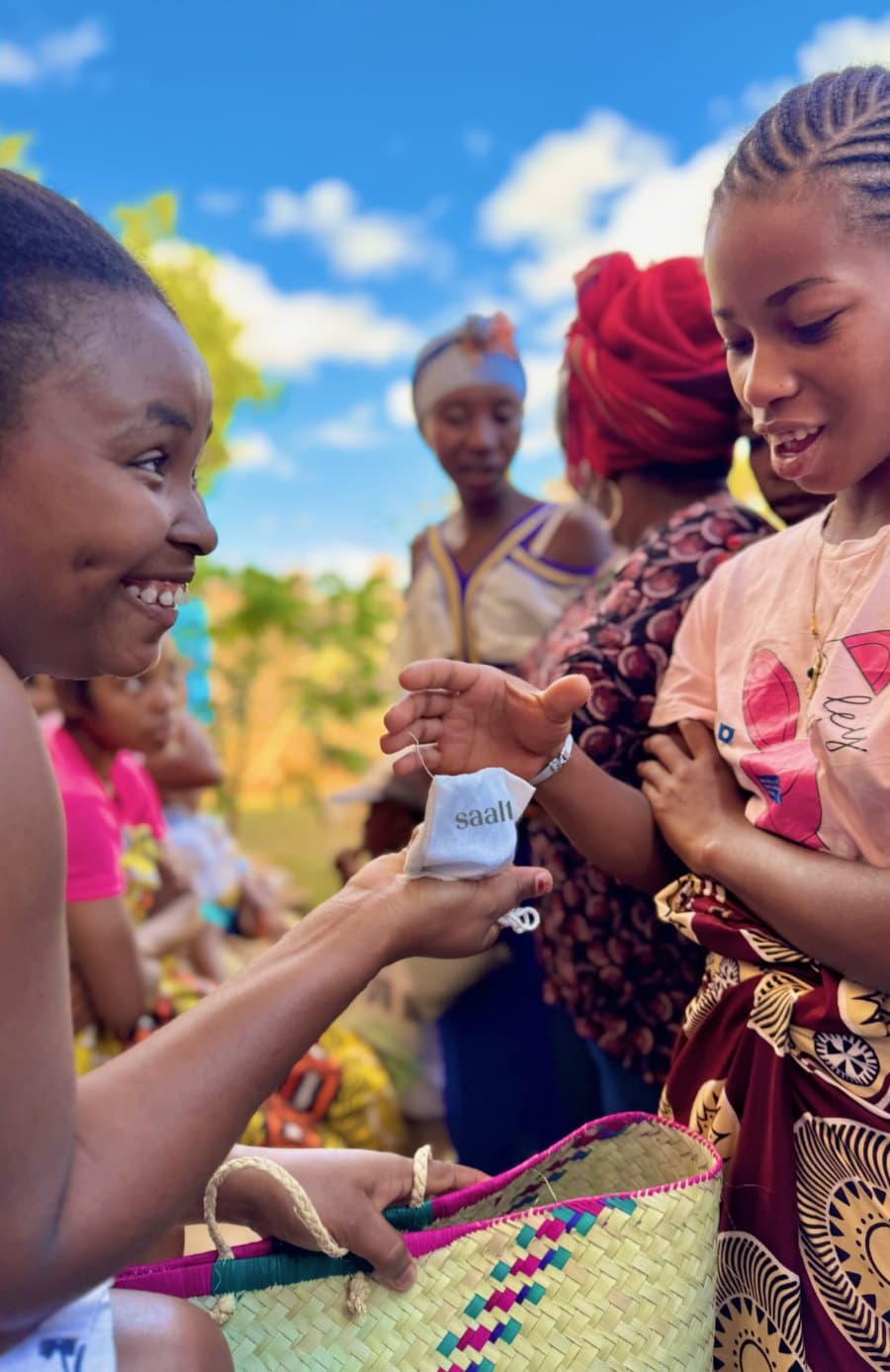
Menstrual cups, discs, and period underwear go to women and girls experiencing period poverty, distributed through vetted nonprofit and community partners. Reusables are the sustainable answer: one product lasts for years and ends the recurring cost of disposables.
The Board sets objective criteria for choosing distribution partners — demonstrated community need, capacity to distribute equitably, and mission alignment — and partners report back on where products land. Donated products may never be resold.
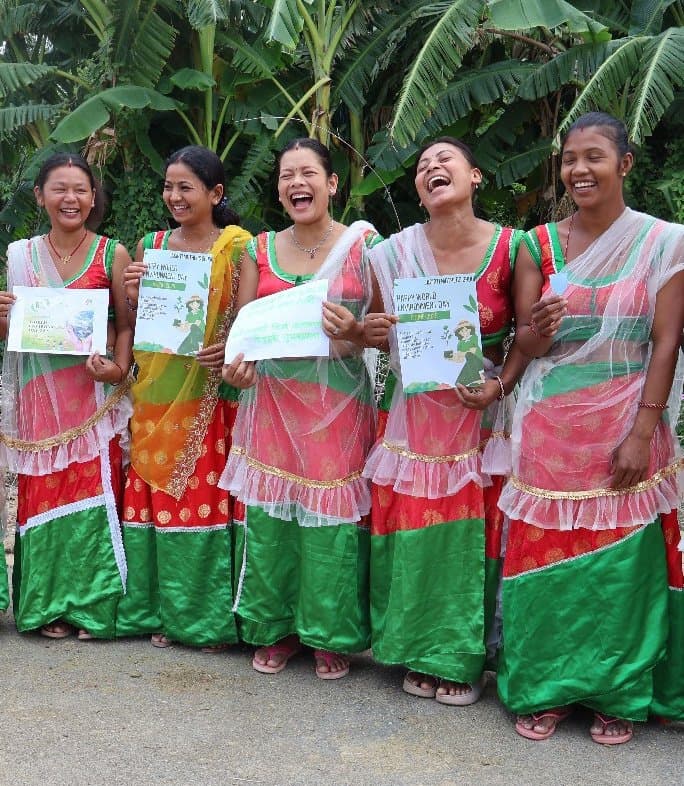
Health education travels with every product donation: instructional videos, pamphlets, reproductive health models, and train-the-trainer resources — culturally adapted and always free to participants.
Materials are designed to be culturally appropriate and accessible: adapted with local partners for language, literacy, and context, and delivered by community educators at no cost to participants.
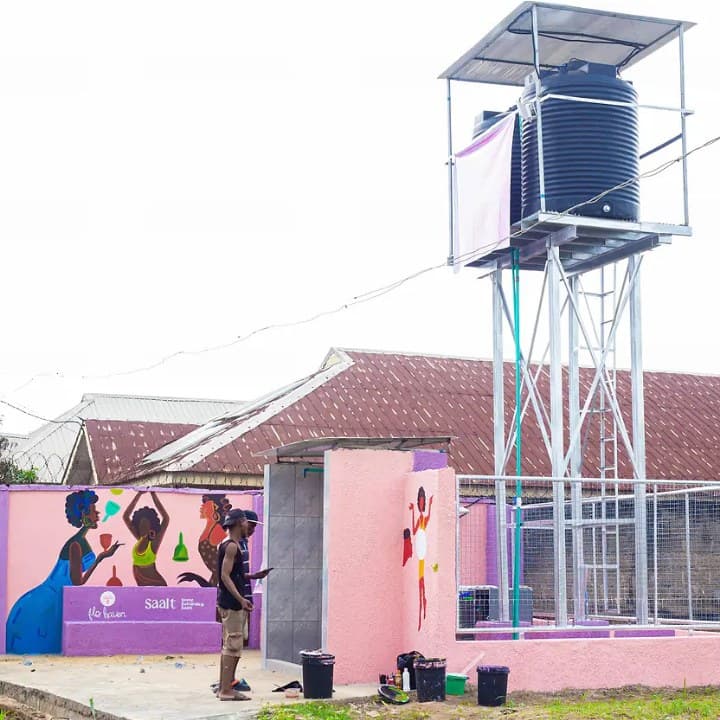
Menstrual health is impossible without clean water and safe sanitation. We fund grants to independent nonprofits building water and sanitation projects in the communities our partners serve.
Grants go to independent nonprofits under written agreements that restrict funds to charitable purposes and require progress and financial reporting, so every project is accountable to the communities it serves.
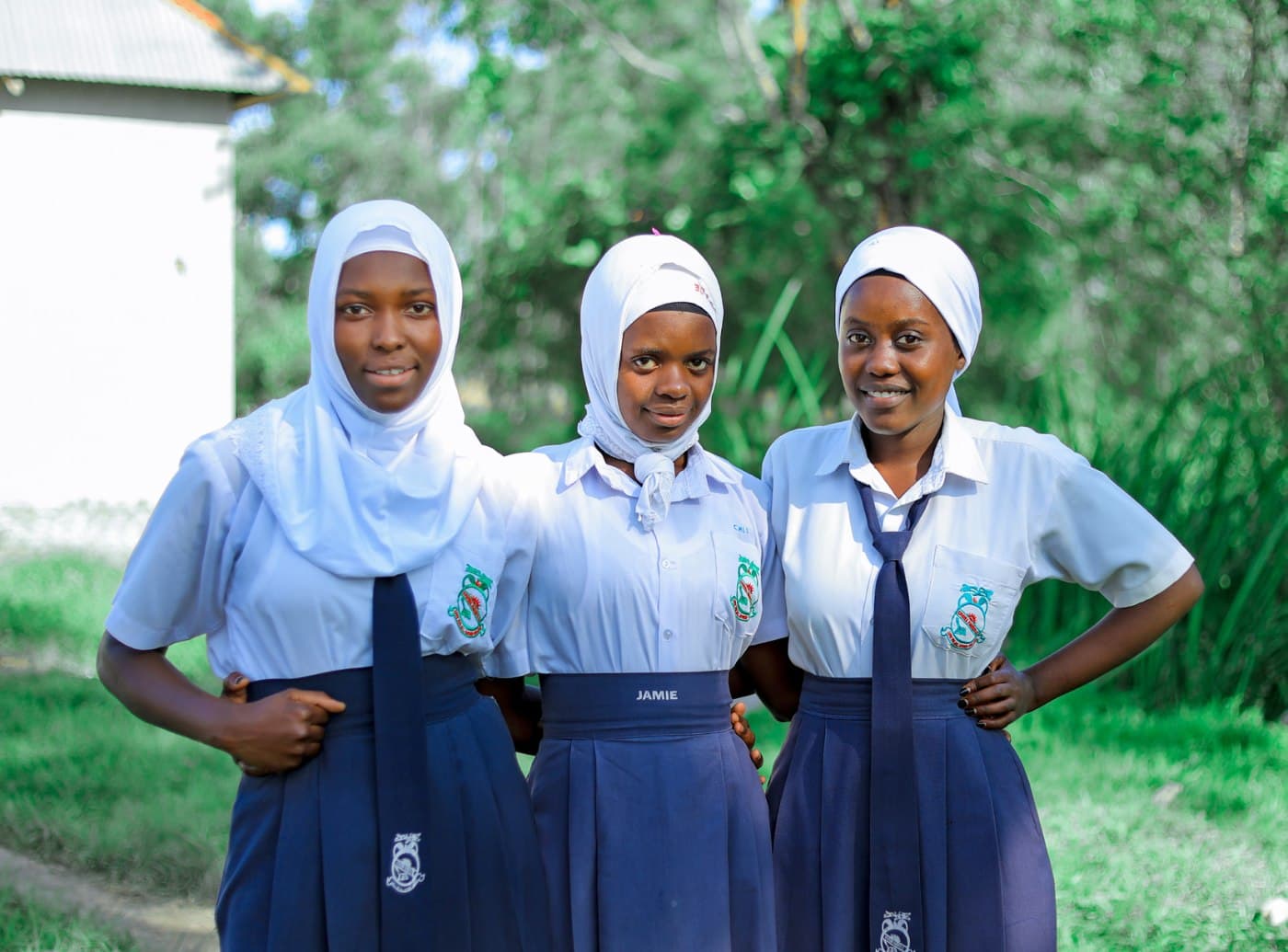
Scholarships, educational assistance, and stipends — awarded on objective, need-based criteria — help women and girls stay in school and step into their potential.
Scholarships and stipends are awarded under written guidelines, used solely for educational or program purposes, and tracked through completion — no funds go to private benefit.
Every program runs through vetted nonprofit partners on the ground — see who they are and how partnership works, and read the results in our annual impact reports.
Program updates and the annual report, a few times a year. No asks between.